The Silent Vineyards of Douro: Beyond Porto's Cellars
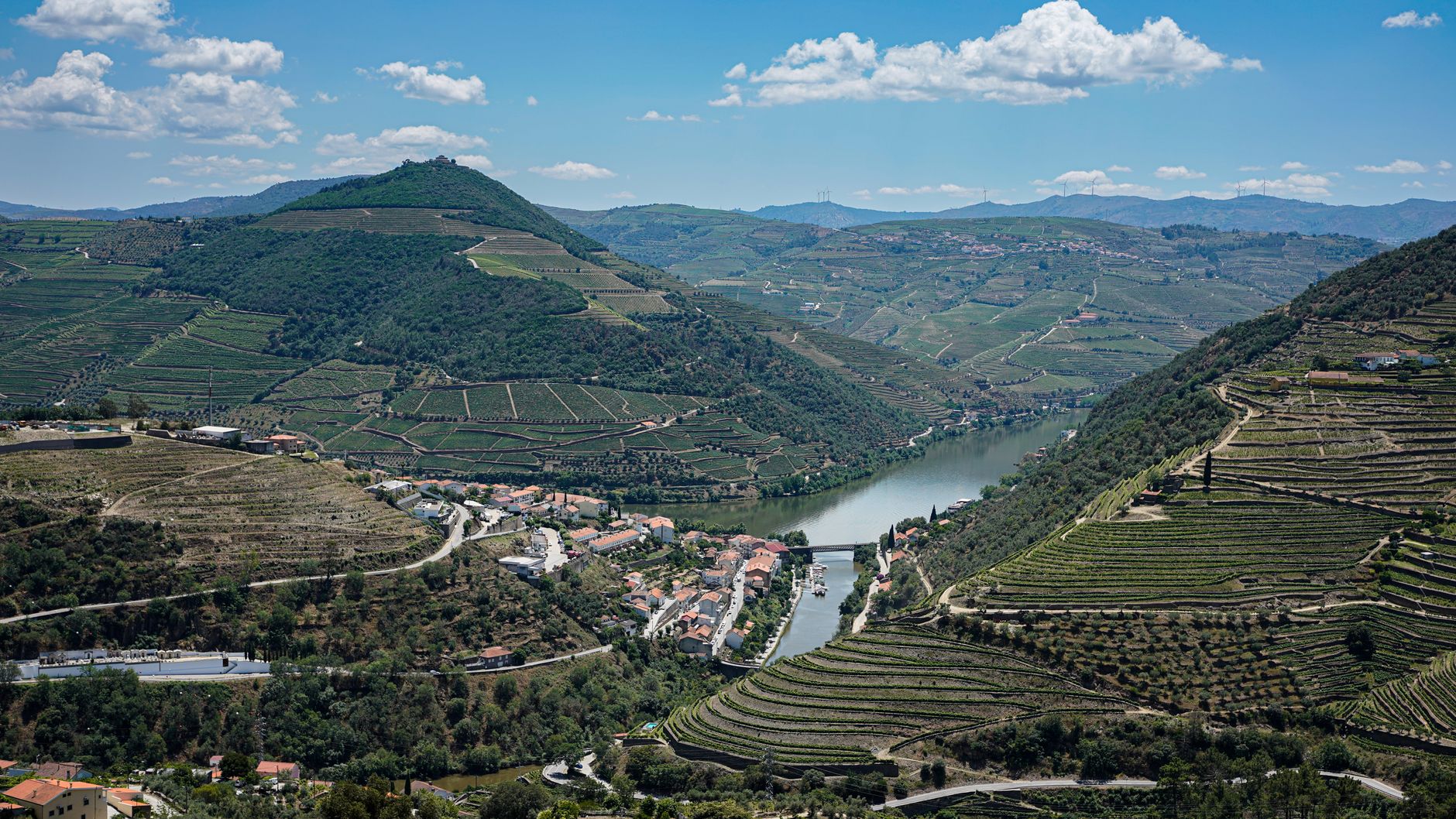
The fog lifts late along the steep schist embankments of the Cima Corgo. Long before tourist boats slice through the mirrored surface of the river, workers in thick wool vestments climb stone terraces carved centuries before mechanized harvest became standard.
Schist, Steep Incline, and Hand Labour
Here in the upper valleys, topsoil is practically nonexistent. Vines dig dozens of feet into brittle metamorphic rock to access minuscule reserves of winter precipitation. For generations, this harsh topography dictated human rhythm: no modern machine can reliably navigate terraces tilted at forty-five-degree inclines.
While the port houses of Vila Nova de Gaia historically dominated commercial perceptions, today an emerging crop of independent producers is shifting focus from fortified dessert wines to dry, expressive table reds. Touriga Nacional, Touriga Franca, and Tinta Roriz are vinified with low intervention, allowing mineral salinity to supersede heavy oak toast.
"We do not manipulate the wine to match overseas trends. If the harvest year was arid and punishing, the bottle will tell that exact story without deception."
— Manuel Ribeiro, 5th-Generation Quinta StewardThe Return to Granite Lagares
Curiously, the cutting-edge movement in the valley relies upon ancient masonry. Wide, open granite basins known as lagares have returned to favor. Grapes are foot-trodden in communal harmony, crushing skins gently without breaking the bitter internal seeds. The resulting tannin extraction is silky, preserving the aromatic vibrancy of native wildflowers and wild rosemary.
Visiting these family-owned quintas requires slowing down. Many offer only three or four guest bedrooms set within 18th-century stone farmhouses. Dinners are cooked over olive wood embers, paired with unreleased cellar reserves, and shared around communal oak tables where conversation stretches effortlessly under starlit Iberian skies.