The Protocol of Onsen: A Traveler's Guide to Japanese Hot Springs
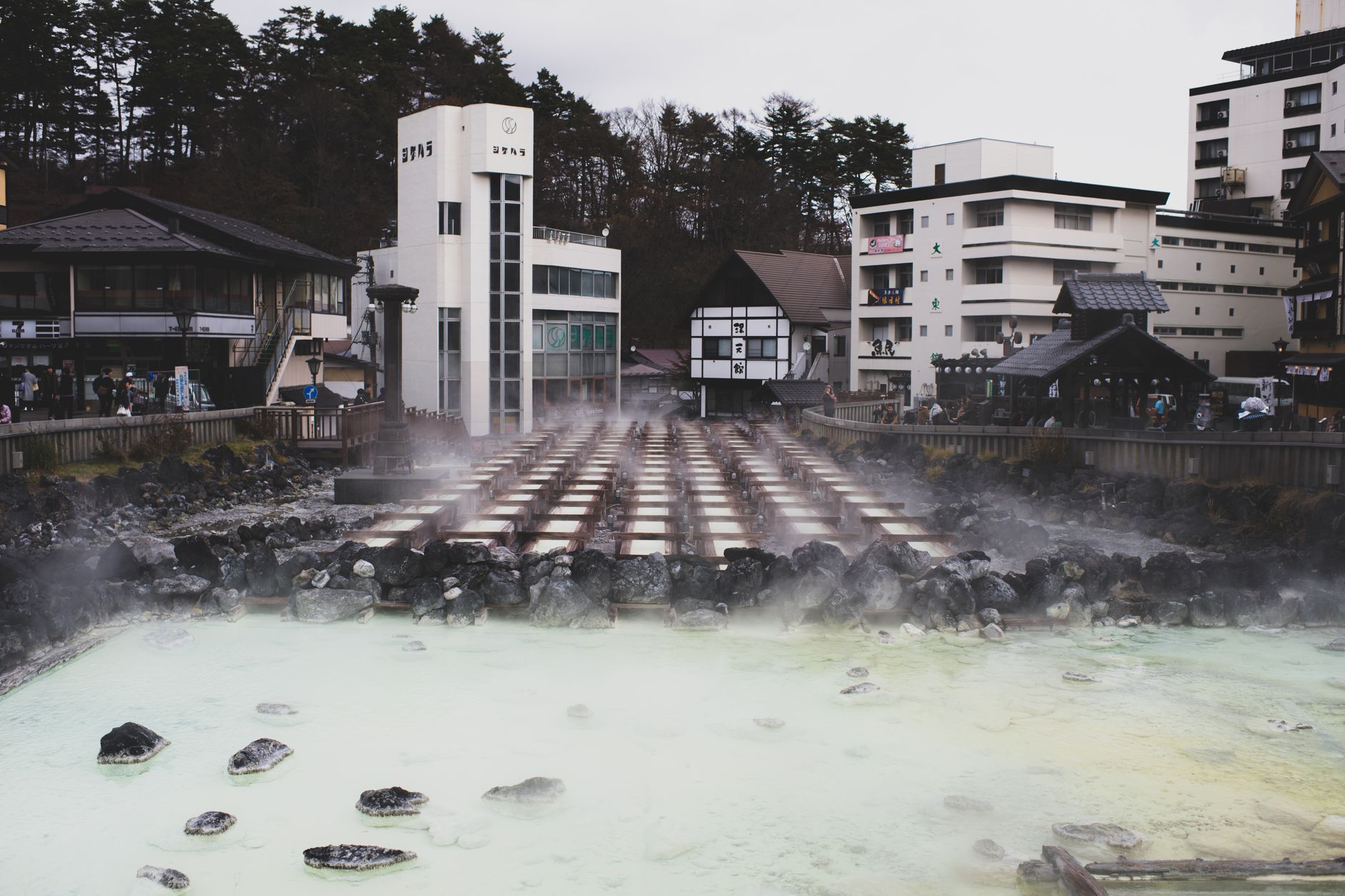
To step into a mineral spring in the mountainous valleys of Gunma is to step outside secular time. Yet for the foreign visitor, unwritten expectations can provoke unnecessary hesitation. Understanding onsen protocol unlocks pure tranquility.
Preparation as Meditation: The Washing Ritual
The cardinal rule of Japanese geothermal bathing is unequivocal: the thermal pool is solely for soaking, never for cleaning. Before setting a single foot into the mineral water, one must wash thoroughly at the seated washing stations lining the perimeter.
Sit upon the wooden stool, lather with unscented camellia soap, and rinse repeatedly using the small cypress bucket. This act of deliberate purification is both respectful to fellow bathers and prepares the cardiovascular system for the intense thermal shock of mineral water often exceeding 42 degrees Celsius.
"The mineral bath strips away societal rank, clothing, and pride. In the steaming water, every human presence shares equal vulnerability with nature."
— Master Ryokan Host, Kusatsu OnsenThe Small Towel & Stillness of Mind
Guests receive a modest cotton modesty towel known as a tenugui. While moving between washing stall and pool, it is held politely in front. However, once in the bath, this towel must never touch the mineral spring. Fold it and balance it carefully atop the head—a habit that also helps prevent dizziness from ascending steam.
Submerge slowly up to the collarbone. Rest your neck against the smoothed river stones that form the pool rim. In classical ryokans, loud speech and splashing are discouraged; the acoustic landscape belongs entirely to cascading mountain water, rustling maple leaves, and the distant call of black kites.